CG / WATERJET 01Machine List / WATERJET 01
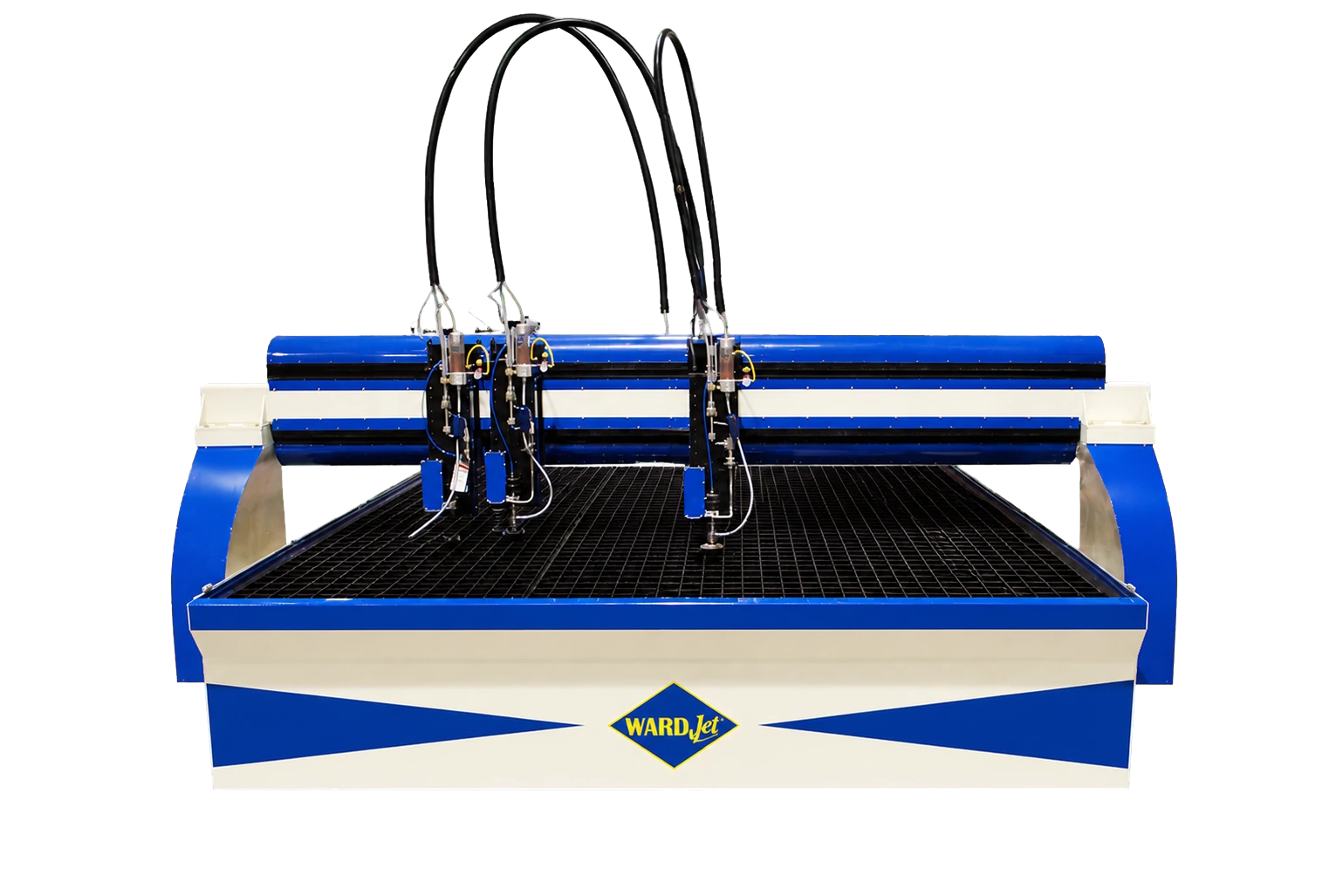
WARDjet R-2013
Our largest documented waterjet platform, configured with three cutting heads for large-format plate and sheet work.
SHOP EQUIPMENT + SERVICES
Compare our four waterjet systems, then review material handling, lifting capacity, and available finishing support in the concise lists below.
CG / WATERJET 01Machine List / WATERJET 01
Our largest documented waterjet platform, configured with three cutting heads for large-format plate and sheet work.
Material handling + overhead lifting
Additional services
CAPABILITY, TRANSLATED
Every capability supports a practical result: less handling risk, clearer handoffs, better material use, and a more predictable path from drawing to finished part.
Documented table capacity reaches 13 × 20 feet, with a documented cutting window of 133 inches × 20 feet.
One-off parts, first articles, repeat orders, and production quantities follow controlled revision practices.
Thirteen cutting heads across four systems support efficient repeat-part layouts where geometry allows.
Use customer-supplied material or let us procure it, with receiving checks and documentation matched to scope.
Drawing control, revision confirmation, and nesting strategies are built around the approved job requirements.
Quote-specific tolerances, calibrated measurement, FAI support when scoped, and material traceability.
PROCESS ADVANTAGE / HEAT-AFFECTED ZONE
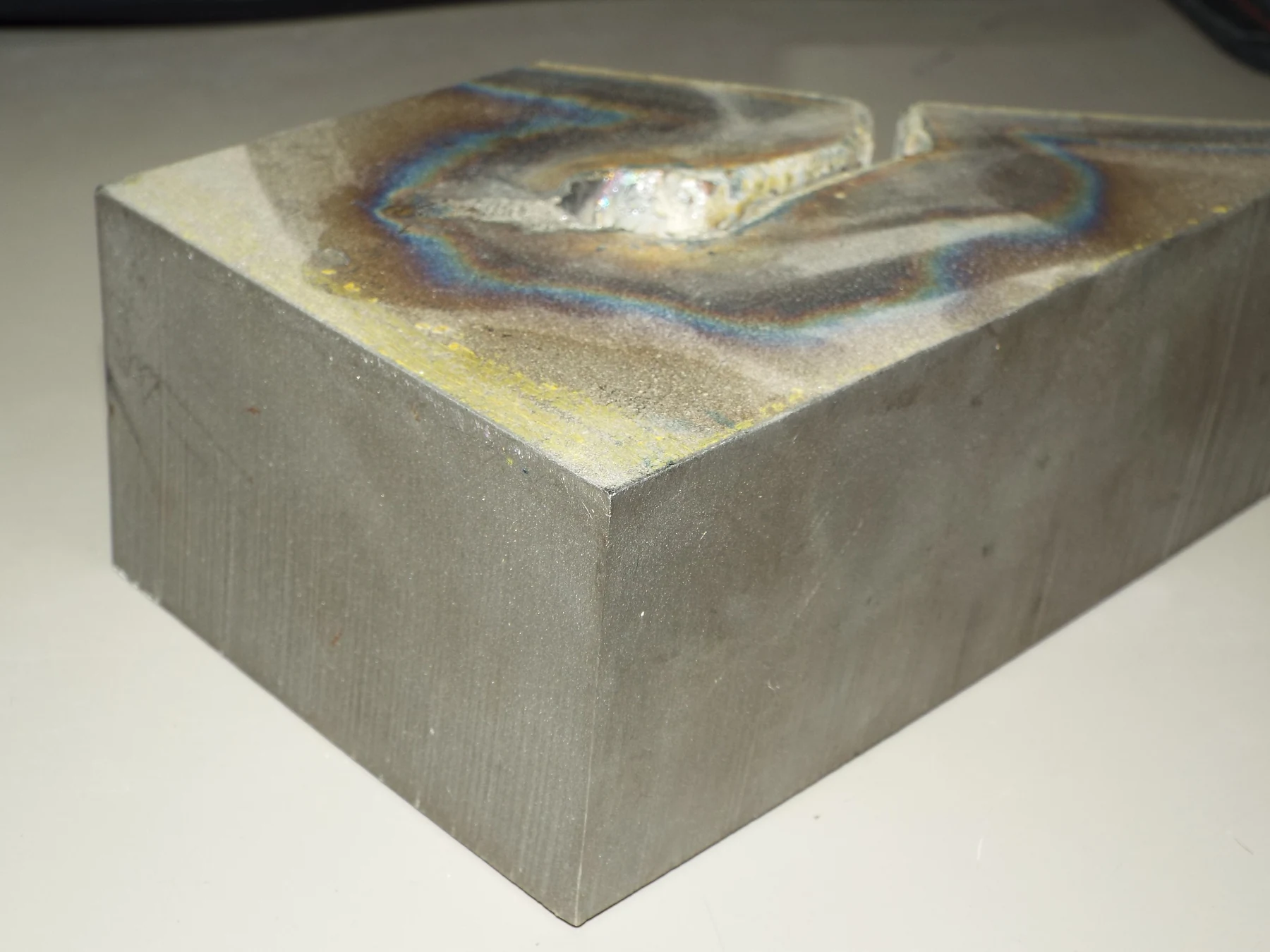
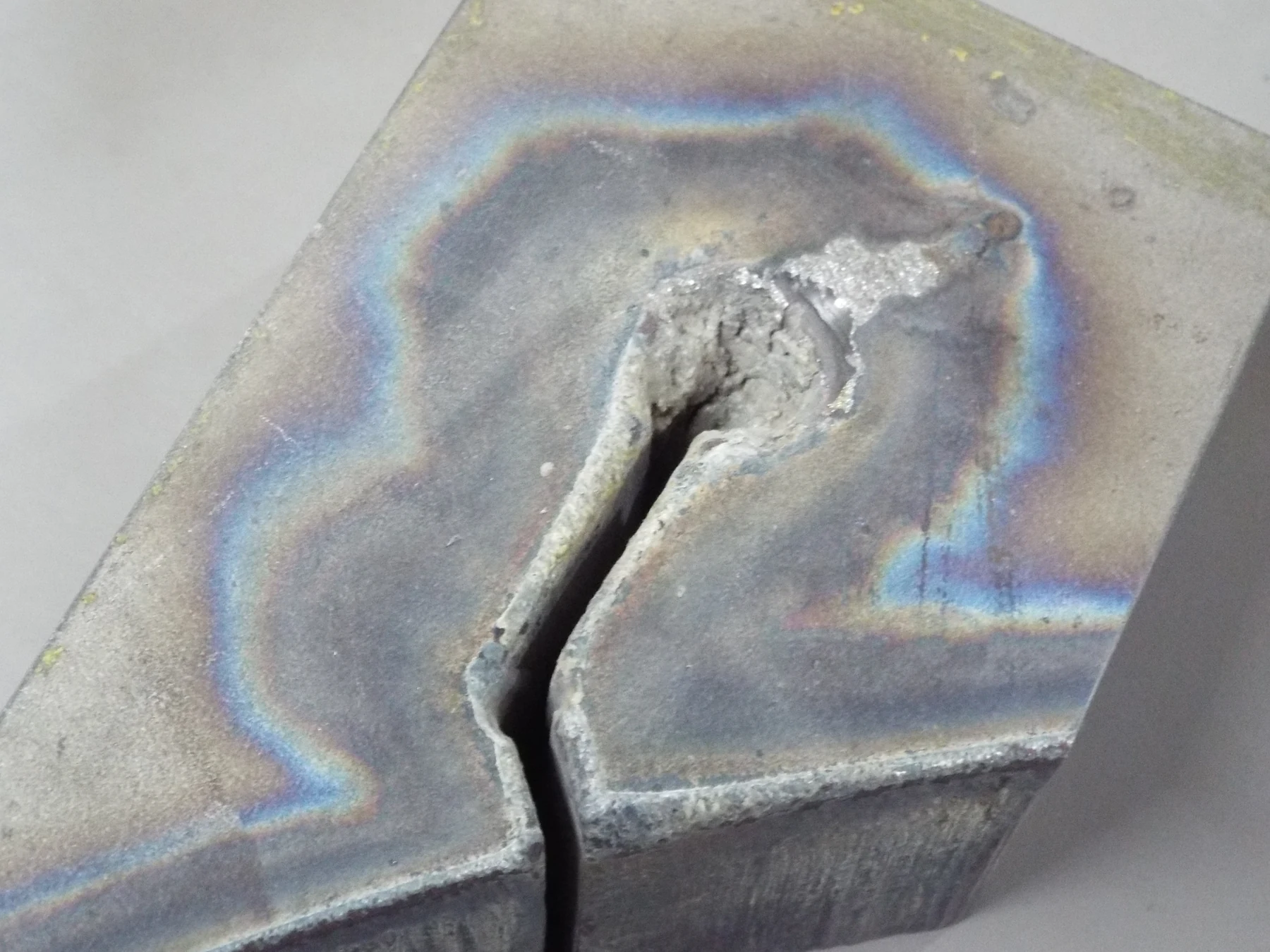
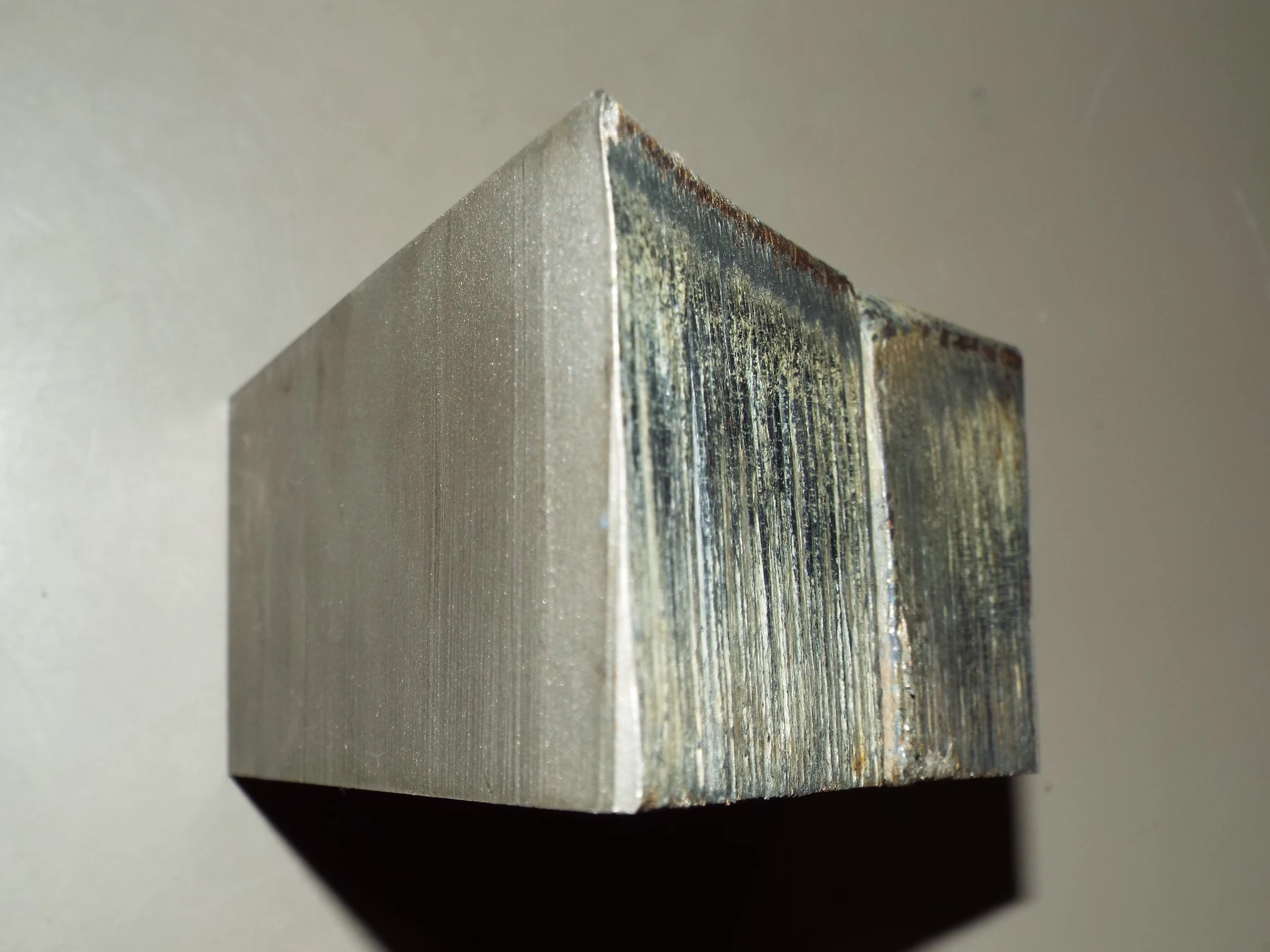
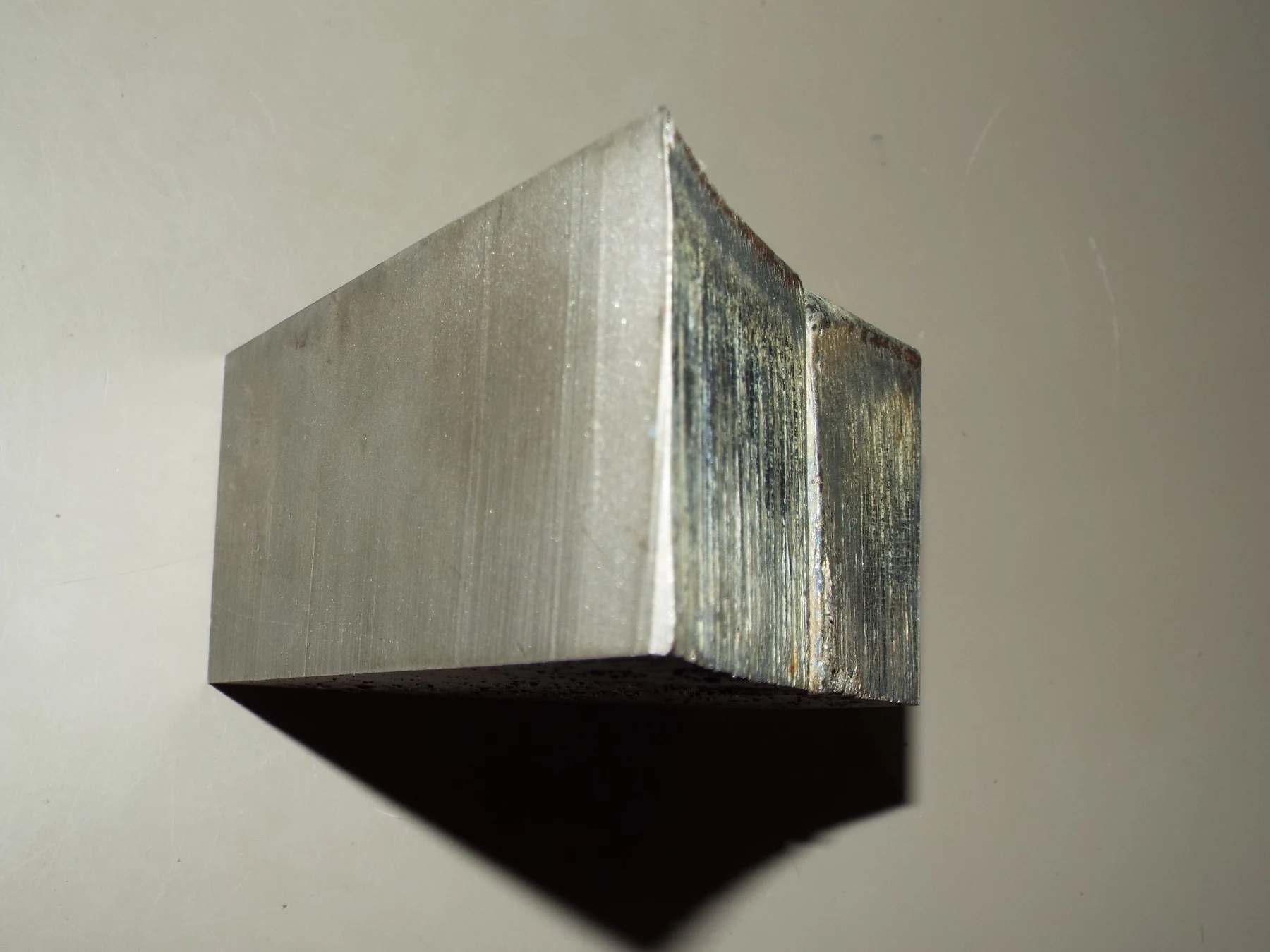
Abrasive waterjet removes material through a high-pressure cutting stream—not a thermal process. That means the cut itself introduces no heat-affected zone at the edge.
Avoid cutting-process heat that can alter hardness, temper, or metallurgy near the cut.
A strong fit for heat-sensitive metals, laminates, composites, and other demanding stock.
Near-net profiles may reduce the stock removal and machining needed after cutting.
Cold cutting preserves the condition of the stock and gives downstream teams a cleaner, more predictable starting point.
Because the waterjet does not heat the cut edge, it avoids the thermal distortion associated with flame, plasma, and laser cutting.
The process does not create a thermally hardened edge that can complicate drilling, tapping, forming, or finish machining.
When a burr occurs, it is typically limited to the underside where the jet exits. We can include deburring to remove it and soften sharp handling edges.